
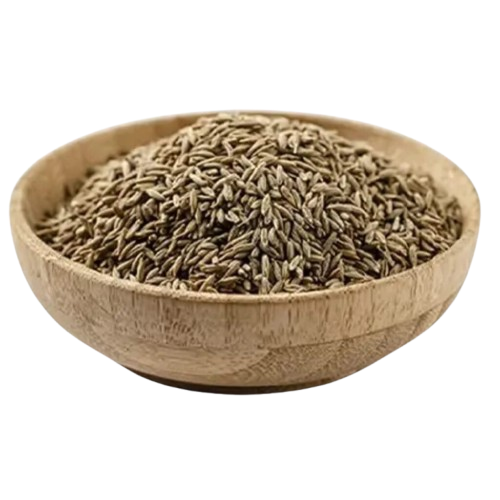
For spice blenders, food manufacturers and distributors, consistency matters just as much as price. A business using bulk cumin seeds wholesale channels may receive several lots over the year, and each one must fit the same production standard. Natural variation is unavoidable, but differences in aroma, moisture, cleanliness or seed condition can affect roasting, grinding and the flavour of a finished product. A stronger purchasing system therefore looks beyond the first sample and focuses on how quality is controlled from incoming approval through storage and repeat supply.
Build a Reference Standard
The most useful starting point is an approved reference. Buyers should record the characteristics that make a cumin lot acceptable for their application rather than depending on broad descriptions such as “premium” or “export grade.”
Important checks can include purity, moisture, aroma, colour, foreign matter and overall seed condition. A manufacturer that grinds cumin for seasoning blends may also evaluate how the seed smells after milling and how strongly it performs in a standard recipe.
Keeping an approved sample, specification sheet or inspection record gives the quality team something concrete to compare with future deliveries. This is particularly helpful when purchases are made across different harvest periods.
Think Beyond the Raw Seed
A seed that looks clean may still behave differently once it reaches production. That is why buyers should test representative samples under the same conditions used in the factory.
Cumin may be roasted before grinding, added whole to foods or milled directly into a powder. Each process can reveal differences that are difficult to see during a visual inspection. A short trial can show whether the aroma develops as expected, whether the seed grinds evenly and whether the finished formulation remains close to the approved flavour profile.
This approach turns sample evaluation into a practical production test rather than a simple appearance check.
Manage Coriander as a Separate Ingredient
Coriander is often purchased alongside cumin, but it should not be treated as the same commodity with a different name. A buyer working with a coriander seeds bulk exporter needs a separate specification because coriander has its own sensory and physical characteristics.
Coriander generally offers a lighter, citrus-like aroma compared with cumin’s deeper, earthy character. Depending on the final use, buyers may focus on seed colour, cleanliness, aroma, moisture and performance after roasting or grinding.
A spice blender may want coriander that remains balanced within a multi-spice recipe, while a retail packer may place greater emphasis on uniform appearance. Defining those expectations separately helps prevent one generic quality standard from being applied to two very different ingredients.
Storage Can Change the Result
Procurement does not end when a shipment reaches the warehouse. Poor storage can reduce the value of a well-selected spice.
Whole seeds should be kept in clean, dry conditions and protected from moisture, contamination and strong surrounding odours. Packaging should remain intact, and stock should be rotated so older batches are used appropriately.
For larger inventories, clear batch identification is especially useful. It allows a production or quality issue to be traced back to a particular delivery and makes it easier to compare the performance of multiple lots over time.
Plan Around Natural Variation
Spices are agricultural products, so buyers should expect some variation between crops and batches. The goal is not to eliminate every natural difference but to keep variation within limits that production can manage.
This is where communication with the supplier becomes valuable. If a new lot differs in appearance or aroma, the buyer should know whether the difference remains within the agreed specification. Samples from upcoming lots can also be reviewed before larger quantities are shipped when the application is particularly sensitive.
Regular feedback helps both sides understand which characteristics are critical and which variations are acceptable.
Consider the Cost of Inconsistency
A cheaper shipment can become expensive if it creates extra work. Additional sorting, repeated testing, recipe adjustments or production delays all add cost even when the purchase price initially looked attractive.
Procurement teams should therefore evaluate supplier performance across several factors: specification compliance, communication, packaging, delivery reliability and repeat-batch consistency. Looking at the complete cost of using the ingredient gives a more realistic picture than comparing quotations alone.
Conclusion
Bulk cumin and coriander purchasing works best when buyers connect procurement with real production requirements. Approved references, practical sample trials, product-specific specifications and proper storage all help protect flavour and consistency. Just as importantly, teams should track how ingredients perform over several deliveries rather than judging a supplier on one successful shipment. A disciplined approach gives food businesses greater control over natural variation and helps them maintain more predictable quality in finished products.
